How a General Dentist in Aurora Helps With Everyday Oral Health Needs
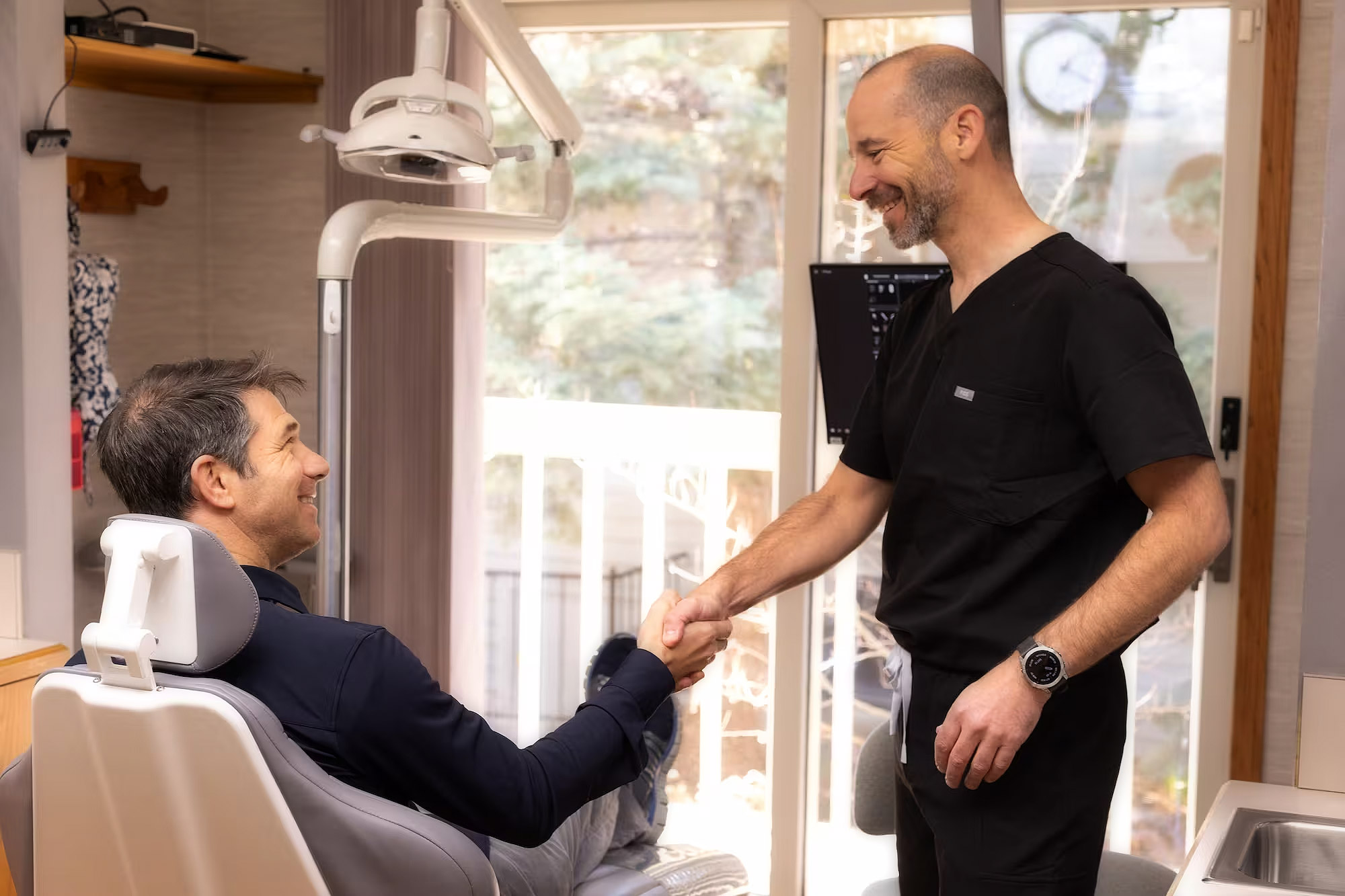
Most people do not wake up thinking about dentistry until something hurts, chips, bleeds, or starts to feel off. Yet the real value of a general dentist often shows up long before a dental emergency. Routine visits, practical guidance, and steady preventive care are what keep small issues from becoming expensive and disruptive ones. For families, working adults, older adults, and children, a trusted General Dentist Aurora residents can rely on often becomes the steady point of contact for nearly every stage of oral health.
General dentistry sits at the center of day to day dental care. It is the part of the profession that handles the ordinary but important work: exams, cleanings, fillings, X-rays, gum evaluations, oral hygiene coaching, and early diagnosis. While specialists step in for specific procedures, the general dentist is usually the first person to notice a pattern, connect symptoms, and recommend the right next step. That role matters more than many patients realize.
In a place like Aurora, where families balance school schedules, work commutes, sports, and seasonal weather changes, convenience and continuity count for a lot. Oral health tends to slip when life gets busy. People postpone cleanings, ignore minor sensitivity, or put off replacing a cracked filling because it does not seem urgent. Then one morning the coffee stings, the toothache starts, or a crown finally gives out. A general dentist helps prevent that cycle by making care manageable, timely, and practical.
Everyday care is more than a cleaning
Many patients think of a routine dental visit as “just a cleaning,” but a good general dental appointment involves much more than plaque removal. It is a structured check on the health of the teeth, gums, bite, oral tissues, and existing dental work. In a relatively short visit, a dentist can gather clues that point to grinding, dry mouth, gum disease, fracture risk, diet related enamel wear, or a cavity forming between teeth where a toothbrush cannot reach.
That kind of early detection changes outcomes. A small cavity is usually straightforward to repair. A cracked tooth caught early may be protected with a conservative restoration before the crack deepens. Mild gingivitis can often improve with better home care and more regular cleanings. When those issues go unnoticed for a year or two, the treatment conversation can shift from simple maintenance to root canals, crowns, extractions, or more involved periodontal therapy.
General dentists also track change over time, and that longitudinal view is one of their strongest tools. They can compare current X-rays to prior images, monitor whether gum recession is stable, note if a child’s bite is developing as expected, or see that an old filling is starting to break down. A one time emergency visit cannot provide that same context.
What people actually bring to a general dentist
The range of concerns handled in a general practice is wide, and most of it is deeply ordinary. That is precisely why it matters. Everyday oral health needs include sore gums after flossing, a rough tooth edge after biting ice, recurring bad breath, jaw tightness in the morning, food trapping between back teeth, sensitivity to cold, staining from coffee or tea, and uncertainty about whether a child is brushing well enough.
Some patients arrive with no symptoms at all. They simply want reassurance that everything is healthy and that their home routine is doing its job. Others come in because something feels “different” but they cannot pinpoint what. Experienced general dentists hear that often. A patient may not know whether the issue is a cavity, a sinus problem, a clenching habit, or an irritated gumline. Sorting that out is part of the work.
A practical example is the patient who reports sharp sensitivity when drinking cold water on one side. That symptom might come from a cavity, gum recession exposing the root, a cracked cusp, a failing filling, or even aggressive brushing. The treatment is not the same in each case. The value lies in careful diagnosis, not just symptom relief.
Preventive care saves more than money
Preventive care is often framed in financial terms, and that is fair to a point. A routine exam and cleaning cost less than restoring a badly damaged tooth. But cost is not the only factor. Prevention protects time, comfort, and flexibility.
A parent who needs an unexpected emergency appointment may have to miss work, rearrange childcare, and pull a child out of school. A student with untreated tooth pain may have trouble concentrating. An General Dentist Aurora older adult with sore gums may quietly stop eating crunchy or fibrous foods, which affects nutrition. Oral health problems ripple outward.
This is where a general dentist becomes especially useful. Preventive dentistry is not limited to polishing teeth twice a year. It includes risk assessment and tailored advice. One patient may need more frequent cleanings because of tartar buildup and early gum inflammation. Another may need a night guard because clenching is wearing down enamel. A third may need fluoride support because dry mouth from medication has increased cavity risk.
Blanket advice rarely works well. Good general dentistry depends on noticing how habits, age, health history, medications, and existing dental work shape a person’s risk.
The connection between oral health and daily habits
Dentists see the consequences of daily routines in very concrete ways. A patient starts sipping sparkling water all afternoon and develops sensitivity near the gumline. A teenager wears aligners but snacks frequently, increasing cavity risk if brushing slips. Someone begins a new medication and suddenly deals with dry mouth. Another person starts training for endurance events, relies on sports drinks, and sees more enamel erosion than expected.
These examples are not dramatic, but they are common. Everyday oral health often comes down to repeated small choices. Frequency can matter as much as quantity. Having one dessert with dinner is different from grazing on sugary snacks over five hours. Brushing harder does not mean brushing better. Mouth breathing at night can dry out tissues and make gums more reactive. Whitening toothpaste can help with surface stain, but some formulas feel too abrasive for patients with recession or sensitivity.
A general dentist helps patients interpret these patterns without judgment. That matters. People are more likely to follow through when they feel understood rather than lectured. In practice, many useful conversations are surprisingly simple: switch the timing of certain drinks, add fluoride rinse, use a softer brush, stop using teeth to open packaging, wear the night guard consistently, or come in before “watching” a problem for six months at home.
Children, teens, adults, and seniors all need something slightly different
One of the strengths of a family oriented general practice is the ability to care for people across life stages. The needs are not identical, and an experienced dentist adjusts accordingly.
Young children need positive early experiences, caries prevention, and guidance for parents who are often unsure how much brushing help is still necessary. A six year old may be independent in many ways, but still not effective at cleaning the back molars. Dentists also watch how baby teeth are spacing, how permanent teeth are erupting, and whether habits like thumb sucking or mouth breathing are affecting development.
Teenagers present a different mix of concerns. Orthodontic appliances, sports mouthguards, high sugar drink intake, inconsistent brushing, and erupting wisdom teeth can all enter the picture. This is also the age when some patients begin to grind their teeth during stress or develop sensitivity from whitening products used without much guidance.
Adults often deal with maintenance and repair. Old fillings age. Gum recession appears gradually. Stress related clenching becomes more common. Patients may want cosmetic improvements, but they also need durable solutions that fit their budget and schedule. A good general dentist helps prioritize what needs prompt treatment, what can be monitored safely, and what can be planned in phases.
Older adults may face medication related dry mouth, root exposure, brittle restorations, or challenges cleaning around bridges, implants, and crowns. Dexterity issues can make flossing difficult. Sometimes a simple tool change, such as a powered toothbrush or floss aid, makes a substantial difference. That kind of practical adjustment is part of everyday dental care, too.
When the issue seems small but is not
Some of the most important visits begin with minor complaints. A little bleeding while flossing. A dark line near an old filling. A crown that “just feels high.” A tooth that catches thread when flossing. These details sound small, but they can signal active disease or mechanical failure.
Bleeding gums, for instance, are easy to dismiss, especially if there is no pain. But healthy gums do not usually bleed with normal brushing and flossing. Persistent bleeding can point to inflammation from plaque, tartar accumulation below the gumline, or deeper periodontal concerns. The earlier that is addressed, the better the outlook.
The same goes for bite changes. If a patient says a tooth feels different when chewing, that can mean a cracked tooth, an inflamed ligament, a loose filling, or a shifting bite from grinding. Waiting until the pain becomes constant may narrow the treatment options.
A general dentist’s job is often to take these “small” symptoms seriously without overstating them. Experience helps here. Not every rough edge means a crown is needed, and not every shadow on an X-ray means immediate major work. Sound judgment lies in distinguishing what is urgent, what is developing, and what is merely cosmetic.
Common services that support everyday oral health
General dentists cover a broad clinical range, which is why they are so central to routine care. In many Aurora practices, patients rely on one office for a large share of their needs, including:
- routine exams, cleanings, and digital X-rays
- fillings and repair of small to moderate tooth damage
- crowns, bridges, and maintenance of existing dental work
- gum health evaluation and treatment for early periodontal problems
- mouthguards, fluoride treatments, and preventive guidance tailored to risk
That combination is practical. It means a patient can build a relationship with one team rather than starting over each time a different need comes up. Familiarity also improves efficiency. When a dental office already knows a patient’s history, prior restorations, anxiety triggers, and scheduling limitations, care tends to run more smoothly.
The role of judgment in treatment planning
One of the least visible parts of dentistry is clinical judgment. Patients often assume treatment decisions are obvious, but many are not. Two teeth may have cavities of similar size and still call for different approaches because the bite is different, the tooth is cracked, or the patient grinds heavily. A cosmetic concern may need to wait because underlying gum inflammation should be addressed first. A chipped front tooth might look simple to fix, but if the chip came from a deep bite, the repair will not last unless that bite issue is factored in.
Treatment planning also involves trade offs. A conservative repair preserves tooth structure, which is usually a good thing, but it may not last as long in a high stress area if the tooth is already compromised. A crown can offer strength, but it is a larger intervention and not always the first answer. Replacing all old fillings just because they are old is not automatically prudent. Sometimes the best decision is to monitor a stable restoration carefully rather than disturb it prematurely.
Patients benefit when their general dentist can explain those trade offs clearly. Trust often grows from hearing, “Here is what I recommend now, here is what can wait, and here is why.”
Dental anxiety is part of everyday care, too
A surprising number of adults who seem calm in the chair have some degree of dental anxiety. Sometimes it comes from a painful childhood experience. Sometimes it is tied to a strong gag reflex, embarrassment about the condition of the teeth, or simply the feeling of not being in control. General dentists see this every day, and the best practices account for it without making patients feel self conscious.
Small changes can help a lot. Explaining what will happen before it happens. Using a slower pace for injections. Offering breaks. Numbing thoroughly and checking before starting. Scheduling longer visits for patients who need time. These details are not glamorous, but they change whether a person keeps up with care or avoids it for another three years.
A patient who returns regularly after years of postponing dental visits often does so because the office made the experience manageable, not because that patient suddenly began to enjoy dentistry.
What to watch at home between appointments
Daily habits still do most of the heavy lifting between visits. A general dentist supports that work by helping patients notice early warning signs rather than waiting for pain. The most useful things to pay attention to are:
- bleeding that continues beyond occasional isolated spots
- sensitivity that lingers or becomes more frequent
- rough edges, chips, or food traps around fillings and crowns
- persistent bad breath or a bad taste despite brushing
- jaw soreness, headaches, or signs of nighttime grinding
None of these signs automatically means serious disease, but they do justify a closer look. Waiting for severe pain is rarely the best threshold. Teeth and gums often give subtler signals first.
Why local continuity matters in Aurora
Dental care works best when it is consistent and accessible. For Aurora residents, having a nearby office matters more than many expect. Convenience influences follow through. If an appointment can fit into a lunch break, before school pickup, or on a familiar route home, it is far more likely to happen. The same goes for emergencies. A chipped tooth from a weekend sports game or a sudden toothache is easier to manage when the patient already has an established general dentist close to home.
There is also value in community familiarity. A local General Dentist Aurora families return to year after year often understands the practical rhythms of the area, school calendars, family scheduling pressures, and the importance of efficient care. That does not replace clinical skill, but it supports better patient experience. Dentistry is healthcare, yet it also operates in the real world of packed schedules, insurance questions, weather disruptions, and competing priorities.
The best dental care often looks ordinary
People tend to notice dentistry most when it is dramatic, a broken tooth, an extraction, a visible cosmetic change. But the strongest general dental care often looks uneventful from the outside. A cavity prevented. A gum problem caught early. A bite issue managed before a tooth cracks. A child who grows up without fear of routine appointments. An older crown replaced before it fails at the worst possible time.
That is the daily work of a general dentist. It is less about dramatic rescue and more about steady stewardship. For most patients, that is exactly what oral health needs. Teeth are used constantly, under pressure, in conditions that change with age, diet, stress, and health. Keeping them functional and comfortable requires attention, consistency, and practical judgment.
A skilled general dentist does not just repair damage. They help patients understand what is happening in their mouths, what matters now, and what can be done at home to keep problems from returning. That guidance has real value because it turns oral health from a series of interruptions into something more stable and predictable.
For anyone looking for dependable, everyday dental care, a trusted General Dentist Aurora patients can see regularly is often the foundation. Cleanings and checkups are part of it, certainly. So are fillings, X-rays, and gum evaluations. But the deeper contribution is continuity, someone who knows your history, notices changes early, and helps you make sensible decisions before a minor problem becomes a major one. That is how everyday oral health is protected, one practical visit at a time.
Aspenwood Dental Associates and Colorado Dental Implant Center
Address: 2900 S Peoria St Ste C, Aurora, CO 80014
Phone number: +13037314037
FAQ About General Dentist Aurora
What is meant by general dentistry?
General dentistry refers to the primary, foundational tier of oral healthcare, focused on the prevention, diagnosis, and treatment of conditions affecting the teeth, gums, and jaw. General dentists serve as a patient's main, long-term dental care provider—much like a primary care physician.
What is general dentistry and orthodontics?
General dentistry and orthodontics are two specialized branches of dental care. General dentistry serves as your primary care for overall oral health, focusing on routine cleanings, fillings, and disease prevention. Orthodontics is a specialized field focused entirely on diagnosing and correcting misaligned teeth and jaw structures using braces or clear aligners.
What are type 3 dental services?
Type 3 dental services typically include major restorative treatments that repair or replace damaged or missing teeth. These services are more complex and costly than preventive or basic dental care. Common examples of type 3 dental services include: Dental crowns.