Simple Ways a General Dentist Helps Improve Daily Oral Care

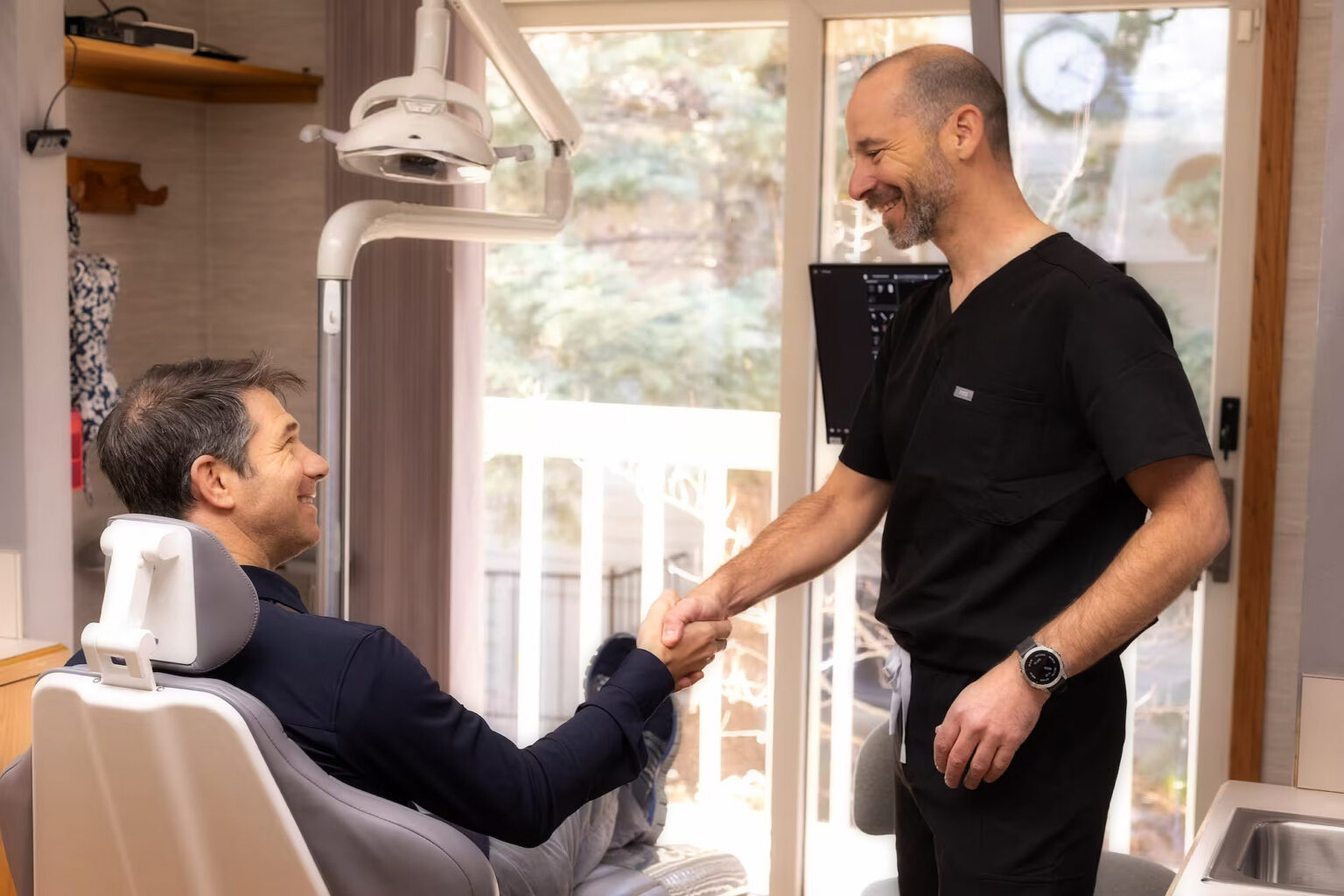

A lot of people think of dental care as something that happens twice a year, in a reclining chair, under a bright light. Daily oral care tells a different story. It happens at the bathroom sink when someone is tired, rushing, distracted, or trying to get a child out the door. It happens between meals, during travel, after coffee, with braces, with dry mouth, with sore gums, and with habits that seem minor until they are repeated hundreds of times.
That is where a General Dentist often makes the biggest difference. Not only by treating cavities or cleaning teeth, but by quietly improving the routines patients follow every day. The most effective help is usually simple. A small technique change, the right toothbrush, a better explanation of gum bleeding, a realistic plan for someone who never flosses consistently. These things do not sound dramatic, yet they often matter more than the expensive products people buy on impulse.
Good oral care advice is rarely one size fits all. A teenager with braces needs different guidance than a retiree with gum recession. A parent trying to brush a toddler’s teeth needs a different strategy than someone coping with arthritis in their hands. The value of a General Dentist is judgment. They can see what is happening in the mouth, connect it to daily habits, and suggest changes that are practical enough to stick.
The gap between knowing and doing
Most adults already know the broad basics. Brush twice a day. Clean between the teeth. Cut back on sugar. See the dentist regularly. The problem is not usually lack of information. The problem is turning general advice into a routine that works in real life.
Take brushing. Many patients brush often enough but miss the same spots every day, especially along the gumline and behind the back molars. Others brush too hard because they assume harder scrubbing means cleaner teeth. Some use a brush long after the bristles have frayed. Plenty of people spend less than a minute brushing, then feel confused when plaque and inflammation keep returning.
A General Dentist helps close that gap by moving from generic advice to specific coaching. Instead of saying, “Brush better,” they might point out that the lower front teeth are collecting tartar because saliva pools there and the brushing angle is off. Instead of saying, “Floss more,” they might explain that a contact point between two teeth is especially tight and requires floss, not a brush pick, to clean effectively. That kind of detail changes behavior because it makes the issue visible and solvable.
Small corrections that have a big payoff
One of the most common ways a General Dentist improves oral care is by correcting technique. This is not glamorous, but it works. A patient who has brushed the same way for twenty years may never have been shown how to angle the bristles toward the gumline, use light pressure, and move methodically instead of randomly. A two minute habit done properly twice a day adds up to a major shift over months and years.
The same is true of interdental cleaning. Many people say they floss, but what they often mean is that they snap floss quickly between a few front teeth when they remember. The dentist can demonstrate how to curve the floss around each tooth surface and clean slightly under the gumline without cutting the tissue. For patients with bridges, implants, wider spaces, or orthodontic appliances, that advice may change again. A floss threader, interdental brush, or water flosser can make the difference between a routine that fails and one that feels manageable.
This practical tailoring matters because mouths are not identical. Crowded teeth trap food differently than spaced teeth. Dental work changes the terrain. Sensitive roots, reduced saliva, hand dexterity issues, and gag reflexes all affect what a person can do consistently. A General Dentist sees those variables and adjusts the plan instead of assuming everyone should use the same tools in the same way.
Product advice that saves money and frustration
The oral care aisle can overwhelm almost anyone. Whitening pastes, enamel formulas, charcoal products, extra-firm brushes, mouthwashes for every possible claim. Patients often buy based on packaging, internet trends, or whatever happens to be on sale. Some choices are harmless. Others make existing problems worse.
A General Dentist often helps by simplifying the decision. Many people do well with a soft-bristled toothbrush, fluoride toothpaste, and one effective method of cleaning between the teeth. They do not need six products. They need the right three, used correctly.
That guidance can be especially useful when sensitivity is involved. Someone with exposed root surfaces may assume the answer is switching toothpaste every few weeks, trying one desensitizing option after another. A dentist might notice aggressive brushing, acid wear from frequent citrus or sparkling water, or nighttime grinding that has little to do with the toothpaste itself. The fix may be a softer technique, a custom night guard, or waiting after acidic drinks before brushing.
Children’s products are another area where simple professional advice helps. Parents often ask whether a child needs a flavored toothpaste, an electric brush, or a special rinse. The answer depends on age, cavity risk, and whether the child can spit reliably. A General Dentist can keep the routine safe and straightforward, which is usually more effective than making it elaborate.
Catching everyday problems early
A major benefit of seeing a General Dentist regularly is that they notice patterns before patients feel pain. By the time a cavity hurts, it is no longer a small daily-care issue. By the time gums are severely inflamed, the original problem has often been building for months or years.
Early signs tend to be subtle. A rough edge collecting plaque. Redness between certain teeth. Dry mouth from a new medication. A cracked filling where food keeps packing in. A child with deep grooves in molars that are hard to clean well. These are ordinary findings in general practice, and they are exactly the kinds of things that affect home care.
When a dentist points them out early, the advice becomes more concrete. A patient who sees a little bleeding may shrug it off. A patient who hears, “This area is starting to break down because plaque is sitting here every day,” usually pays closer attention. The message is not meant to scare. It is meant to connect a visible finding with a manageable behavior.
That connection can prevent larger treatment later. It is easier to clean around a vulnerable area than to repair it after decay advances. It is easier to improve gum care at the first signs of inflammation than to reverse more established periodontal problems. Preventive dentistry is full of these modest moments that do not seem urgent until you compare the alternatives.
Helping patients work around real-life obstacles
One reason daily oral care breaks down is that life gets complicated. A night-shift worker may brush at inconsistent times. A college student may snack constantly and fall asleep without cleaning well. A person with depression may struggle to maintain routines that once felt automatic. Someone recovering from hand surgery may not be able to floss in the usual way. A child with sensory sensitivities may resist brushing intensely.
This is where a General Dentist can be more useful than a generic online article. Instead of repeating the ideal routine, they can help build a workable one. For someone with limited dexterity, an electric toothbrush with a larger handle may be easier to control. For a patient who never flosses at night, placing floss picks near the sofa for evening use might be a realistic improvement, even if it is not perfect. For a dry-mouth patient taking multiple medications, the plan may include frequent sips of water, sugar-free xylitol gum if appropriate, and stronger fluoride support.
The best dental advice often sounds simple because it has been filtered through real constraints. Perfection is not the goal. Consistency is. A routine that is slightly less ideal but done every day usually beats an ambitious routine abandoned after three days.
When gum bleeding is not “normal”
Patients mention bleeding gums casually all the time. They say it happens “only when I floss” or “just a little when I brush.” Many assume the bleeding means they should avoid the area. In practice, bleeding is often a sign of inflammation caused by plaque accumulation, though not always, and it deserves attention rather than avoidance.
A General Dentist helps by explaining the difference between irritated tissue and injured tissue. If flossing causes brief bleeding because the gums are inflamed, stopping flossing usually allows the underlying problem to worsen. Gentle, consistent cleaning tends to improve the tissue over time. On the other hand, if someone is using poor technique and snapping floss hard into the gums, that should be corrected. The distinction matters.
This kind of explanation reduces fear and gives patients a reason to persist. It also helps identify cases where the issue goes beyond routine plaque control. Hormonal changes, certain medications, tobacco use, mouth breathing, diabetes, and existing periodontal disease can all affect gum health. A General Dentist can spot those patterns and decide whether daily care changes are enough or more treatment is needed.
Diet advice that feels realistic
Daily oral care is not only about what happens with a toothbrush. It is also shaped by what and how often people eat and drink. Many patients focus on obvious sugary foods and miss the steady impact of frequent sipping and snacking. A sweet coffee over three hours, sports drinks during a workout, dried fruit between meals, crackers nibbled through the afternoon, these habits can keep the mouth in a cavity-friendly state for long stretches.
A General Dentist does not need to prescribe a perfect diet to improve oral health. Often, a few targeted changes do the job. Drinking acidic or sugary beverages with meals instead of sipping all day can help. Rinsing with water after coffee can help. Choosing snack frequency more carefully can help. For children, the conversation often centers on juice, sticky snacks, and bedtime milk habits. For adults, it might involve energy drinks, grazing while working, or hidden sugars in “healthy” packaged foods.
The tone matters here. People rarely change habits because they were lectured. They do better when the advice is specific, respectful, and tied to what is already happening in their day. A General Dentist who says, “Your molars are showing the pattern we often see with frequent sipping, can we adjust that habit?” is usually more effective than broad warnings about sugar.
A few daily-care habits dentists commonly recommend
The exact routine varies, but certain habits come up again and again because they are practical and effective.
- Brush for two minutes with a soft-bristled brush and light pressure.
- Clean between the teeth once a day with the tool that actually fits your mouth.
- Use fluoride consistently unless your dentist has a reason to suggest otherwise.
- Limit constant snacking and prolonged sipping of sugary or acidic drinks.
- Replace worn brushes or brush heads before they stop cleaning well.
None of these habits is complicated on its own. Their power comes from repetition. Patients are often surprised by how much improvement they see when they focus on the basics and do them steadily for a few months.
Children, teens, and the long game
Daily oral care starts early, and a General Dentist plays a practical role in helping families build habits before problems take hold. For young children, that often means showing parents how much toothpaste to use, how to position the child for brushing, and why supervision matters longer than many people expect. A child may be able to hold a toothbrush well before they can clean thoroughly.
With school-age children, the challenge often shifts from cooperation to independence. Kids want to do it themselves, but they still miss areas, especially around erupting molars. A dentist can point out where plaque is collecting and make the lesson concrete. That is more persuasive than a parent repeating “brush better” every night.
Teenagers bring their own set of variables. Braces trap food and plaque in ways that frustrate even motivated patients. Sports drinks, late nights, and inconsistent routines do not help. Here, a General Dentist often acts as both educator and troubleshooter. They can recommend cleaning aids that fit around brackets, discuss whitening expectations realistically, and reinforce habits without turning every visit into a scolding session. That balance matters. Adolescents tune out quickly when advice feels moralizing.
Adults with dental work need different care
Fillings, crowns, bridges, implants, dentures, and orthodontic retainers all change the daily-care picture. A person may assume that once dental work is complete, the problem is solved. In reality, restorations create new surfaces and margins that need attentive cleaning. The surrounding tooth and gum tissue can still break down if daily care is poor.
A General Dentist helps by showing patients how to care for what they already have. The area under a bridge may General Dentist require a specific threader. An implant may need a nonmetal interdental brush of the right size. A retainer case should be cleaned, not just the retainer. Night guards need maintenance too. These are not dramatic interventions, but neglecting them shortens the lifespan of expensive treatment.
This is one of the quieter ways preventive care saves money. Better maintenance at home often means fewer repairs, fewer emergencies, and less repeated work over time.
Building trust changes behavior
Technical advice matters, but so does the relationship behind it. Patients are more likely to improve daily care when they feel respected and understood. Shame does not produce durable habits. Clear explanations, encouragement, and honest feedback do.
A good General Dentist knows how to meet patients where they are. If someone has not seen a dentist in years, the first task may be lowering anxiety enough that they can absorb any advice at all. If a patient feels embarrassed about the condition of their mouth, the best move is often to focus on the next useful step, not the backlog of regret. If someone is doing many things right and still developing issues, that deserves acknowledgment and a closer look, not a generic lecture.
This human side of dentistry is easy to overlook from the outside. Yet it often determines whether a patient follows through at home. People remember the dentist who made oral care feel understandable and achievable. They also remember the one who made them feel judged. Only one of those interactions tends to produce better habits.
Signs that your routine may need adjustment
Sometimes the need for better daily care is obvious. More often, it shows up through small clues that patients normalize until a General Dentist dentist points them out.
- Gums that bleed regularly during brushing or flossing
- Persistent bad breath despite brushing
- Sensitivity near the gumline or to cold foods
- Tartar building up quickly, especially in the same spots
- Food trapping around certain teeth or dental work
These signs do not always mean something serious is happening, but they do mean the current routine deserves a closer look. The earlier those patterns are addressed, the easier they usually are to manage.
What patients often get wrong about “good enough”
A common misconception is that oral care only needs to be good enough to avoid pain. That standard is too low. Dental disease often progresses quietly. Another misconception is that if a person brushes twice daily, nothing else matters much. Technique, timing, diet, saliva, medications, and how well the teeth are cleaned between contacts all influence the outcome.
There is also a tendency to chase cosmetic fixes before addressing the foundation. Someone may spend heavily on whitening strips while ignoring dry mouth, plaque retention, or inflamed gums. A General Dentist helps reorder priorities. Health first, appearance second usually produces better long-term results, and often a better appearance too.
The encouraging part is that many improvements are modest and accessible. Better daily care does not always require expensive products or complicated routines. It often starts with being shown what your own mouth needs, then repeating a few useful actions until they become automatic.
That is the practical value a General Dentist brings to oral health. They do not just repair damage. They help patients build habits that reduce the need for repairs in the first place. Over time, those simple changes, done consistently, protect teeth, support gum health, and make daily oral care feel less like guesswork and more like a skill.
Aspenwood Dental Associates and Colorado Dental Implant Center
2900 S Peoria St Ste C, Aurora, CO 80014, United States
+1 303-731-4037
FAQ About General Dentist
How long do teeth fillings last in Aurora, CO?
Fillings can last for years, but they are not lifetime restorations. Their durability depends on the material, the size and location of the filling, chewing forces, and oral hygiene. A general dentist can examine a filling for wear, damage, or new decay and explain whether monitoring, repair, or replacement is appropriate. Age alone does not establish that a filling needs replacement.
How Can I Reduce Dental Anxiety?
Tell the dental team about your concerns when booking and again at your visit. Ask for an explanation of each step, agree on a signal for breaks, and consider slow breathing or headphones if the practice permits them. Discuss pain control and any sedation options with the dentist; suitability depends on your health, medicines, and planned treatment.
When should your child first see a dentist in Aurora?
Arrange the first dental visit within six months after the first tooth appears and no later than the first birthday. Early visits allow the dentist to assess development and discuss brushing, fluoride, feeding habits, and cavity prevention. Ask the practice whether it sees infants and how it handles referrals when a child needs specialist care.