The Preventive Power of General Dentistry Aurora Appointments
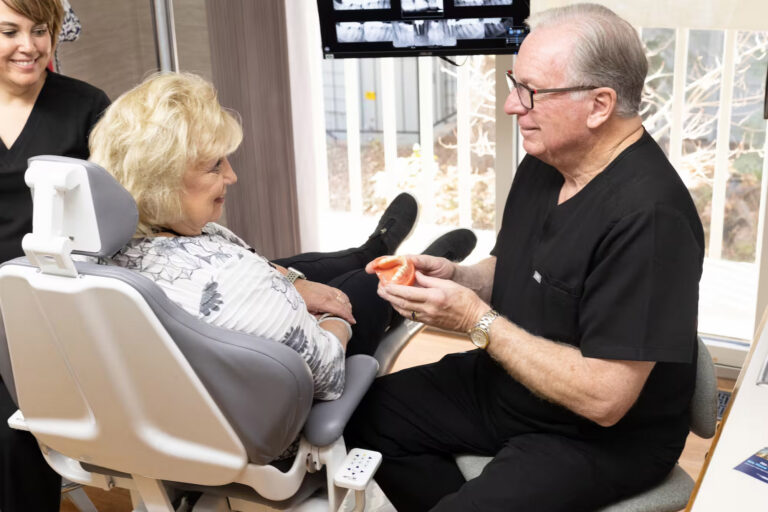

Most people think about the dentist when something hurts. A cracked molar, a throbbing gumline, sensitivity that makes iced water feel like a dare. Pain gets attention quickly. Prevention does not. That gap in urgency is exactly why regular dental care matters so much.
The real value of routine visits is not the polishing at the end or the quick reassurance that everything looks fine. It is the chance to catch small changes before they become expensive, disruptive, or permanent. In a well-run General Dentistry Aurora practice, preventive care is less about reacting to disease and more about managing risk over time. That distinction sounds subtle, but it changes outcomes in a very practical way.
A tiny cavity discovered during a routine exam may need a modest filling. The same tooth ignored for a year or two can move from decay to nerve involvement, then to root canal treatment, crown work, or extraction. Bleeding gums that seem minor can develop into deeper periodontal problems. Jaw clenching that starts as morning tightness can turn into cracked enamel or chronic headaches. These are common pathways, not worst-case fantasies.
Patients often tell me some version of the same story. They felt fine, skipped a couple of checkups, and then one day a manageable issue was no longer manageable. Dentistry tends to punish delay quietly. Problems grow in the background, often without obvious pain, until the damage is advanced enough to demand attention.
Prevention is not passive
Preventive dentistry is sometimes misunderstood as a gentle, low-stakes part of oral care. In reality, it is where some of the most important clinical judgment happens. A routine appointment is a surveillance visit, a cleaning session, a behavior check, and a chance to update the long-term picture of your oral health.
That long-term picture matters because mouths change. Fillings age. Bite patterns shift. Medications alter saliva flow. Stress increases grinding. Diet drifts toward more frequent snacking. Pregnancy can affect gum health. Diabetes can influence healing and inflammation. Even highly motivated patients can develop issues simply because biology, habits, and time keep moving.
A general dentist is watching for patterns, not just isolated problems. Has a shallow area of enamel wear become deeper since the last visit? Are gums receding around the same teeth that show brushing abrasion? Is a “watch it for now” cavity staying stable or progressing? Is plaque collecting in the same hard-to-reach area because a restoration contour traps it?
Those observations rarely come from a single emergency visit. They come from continuity. That is one reason General Dentistry appointments are so effective when they happen regularly. The exam is not a one-off event. It is part of a timeline.
What a preventive visit actually protects you from
Patients usually expect the dentist to look for cavities. That is only one part of the appointment. A thorough exam screens for a wide range of issues, many of which do not announce themselves clearly at home.
Decay matters, of course, especially between teeth and around old fillings where it can stay hidden. Gum disease is just as important, and in adults it often causes more long-term damage than cavities. Early gum inflammation can look like occasional bleeding while brushing. Once deeper bone support is affected, treatment becomes more involved and long-term maintenance becomes essential.
Preventive visits also help identify cracked teeth, bite imbalance, oral lesions, dry mouth, recession, failing restorations, wisdom tooth complications, and signs of grinding. Some of these issues are uncomfortable. Some are cosmetic. Some can affect sleep, chewing efficiency, speech, or whole-body health. A person may adapt to them without realizing how much function they have lost.
When people hear the term General Dentistry, they sometimes picture only basic cleanings and fillings. In practice, general dentists sit at the front line of diagnosis. They are often the first to detect subtle changes that later require periodontal therapy, endodontic treatment, orthodontic evaluation, or specialist referral. Preventive appointments are where that early detection happens.
The quiet role of dental cleanings
Cleanings are easy to underestimate because they feel routine. Yet many patients cannot fully remove plaque and tartar in every area at home, no matter how diligent they are. The classic trouble spots are behind the lower front teeth, around the upper molars near the cheek, and anywhere crowding, bridges, or older dental work create awkward angles.
Tartar is not simply “stubborn plaque.” Once plaque hardens, brushing and flossing no longer remove it effectively. It becomes a rough surface that encourages more plaque retention and more inflammation. This is where professional cleaning earns its keep. By removing these deposits, the hygienist reduces the bacterial load and creates a cleaner surface that is easier for the patient to maintain between visits.
There is also a coaching element that should not be overlooked. Good hygienists notice habits. They can often tell if someone brushes hard, misses the same interproximal spaces, or struggles with a retainer wire. Their recommendations are usually most helpful when they are specific. Switching from generic advice like “floss more” to practical fixes such as using floss threaders, a smaller interdental brush, or a softer electric brush head often makes the difference between knowing what to do and actually doing it.
I have seen patients improve dramatically not because they suddenly became perfect brushers, but because one appointment uncovered the exact reason they kept getting inflammation in the same area. Prevention is often less about trying harder and more about correcting the small mismatch between technique and anatomy.
Timing matters more than many people think
The standard advice for many adults is a checkup and cleaning every six months. That interval works well for a large portion of the population, but it is not universal. General Dentistry Aurora Some people can safely go longer under a dentist’s guidance. Others need three- or four-month periodontal maintenance because their risk is higher.
Risk is shaped by several factors:
- history of cavities or gum disease
- tobacco use or vaping
- dry mouth from medications or medical conditions
- diabetes, pregnancy, or immune-related concerns
- extensive crowns, bridges, implants, or orthodontic appliances
A patient with low decay risk, healthy gums, excellent home care, and stable past exams may not have the same needs as someone with frequent tartar buildup, recession, or multiple restorations that need close monitoring. This is where blanket advice becomes less helpful than individualized scheduling.
Skipping from two visits a year to one every couple of years changes more than the calendar. It widens the window during which disease can progress unnoticed. In the early stages, many dental problems are small enough to treat conservatively. When the gap grows, so does the likelihood that treatment will be more invasive, costlier, and harder on the tooth structure.
That last point deserves attention. Every time a tooth needs more dentistry, it usually loses more natural structure. A small filling may one day become a larger filling, then perhaps a crown, then possibly endodontic treatment if decay or fracture reaches the pulp. Prevention protects not only your budget but also your original teeth, which no restoration fully replicates.
Why minor symptoms should not be ignored
A surprising number of patients wait because the symptom is not “bad enough.” The issue is that dental disease does not grade itself according to your schedule. Mild symptoms can point to early problems that are still easy to manage.
Here are a few signs that deserve a sooner appointment rather than a wait-and-see approach:
- bleeding gums that persist for more than a week or two
- sensitivity to cold or sweets in one specific tooth
- a chipped edge, rough spot, or tooth that suddenly feels different when biting
- chronic bad breath despite good home care
- soreness in the jaw, especially on waking
None of these automatically means a major problem. They do mean something has changed. Catching that change early is the whole logic of prevention.
I remember one patient who mentioned, almost as an afterthought, that floss kept shredding between two back teeth. There was no pain. On examination, a small defect along an old filling margin had begun to catch the floss and trap food. Left alone, it likely would have turned into deeper recurrent decay. Instead, it was repaired quickly and conservatively. That is preventive dentistry in its most practical form. Not dramatic, just timely.
Children, teens, and the long view
Preventive care is especially powerful when it starts early. Children benefit from professional monitoring not only because baby teeth matter, but because the habits, risk patterns, and developmental clues that show up in childhood often shape dental health for years.
For younger patients, regular visits help identify enamel weakness, cavity-prone grooves, bite concerns, airway-related patterns, oral habits like thumb sucking, and brushing gaps that parents may not see clearly at home. Sealants, fluoride strategies, and diet guidance can all reduce risk substantially when used thoughtfully.
Teenagers present their own challenges. Sports, sugary drinks, inconsistent hygiene, orthodontic appliances, and late-night snacking can create a perfect storm. A teenager with braces, for example, has many more plaque-retentive areas than a child without them. Missing preventive visits during orthodontic treatment can lead to decalcification marks, inflamed gums, and cavities around brackets, which is a frustrating outcome after all the time and expense of straightening teeth.
For adults, the preventive focus shifts toward maintenance and preservation. For older adults, it often includes monitoring for root decay, dry mouth, wear, recession, and the fit of existing dental work. Different life stages change the threats, but not the value of regular care.
The cost conversation people often avoid
One reason some people postpone General Dentistry Aurora appointments is cost. That concern is understandable. Dental care can feel easier to delay than many other medical expenses because problems are not always visible or urgent in the moment. Yet from a purely financial standpoint, preventive dentistry is usually the cheaper path.
A routine exam, cleaning, and radiographs cost far less than advanced treatment. More important, they reduce the chance that one untreated issue will trigger several related procedures. A cracked tooth that breaks further may need emergency care, time away from work, a temporary fix, a definitive restoration, and possibly specialist treatment. The original problem may have been manageable months earlier.
There is also the hidden cost of disruption. Dental emergencies rarely happen on convenient days. They interrupt meals, sleep, meetings, travel, and family plans. Preventive visits, by contrast, are scheduled on your terms. That control matters.
Insurance can help with basic preventive services, but even for patients without generous coverage, it is worth seeing prevention as risk management rather than a discretionary luxury. Spending modestly and regularly often avoids spending heavily and unexpectedly.
Prevention gets more precise with good records
Another underappreciated benefit of ongoing care is documentation. When a dental team has years of radiographs, photos, periodontal measurements, and clinical notes, they can compare changes with much more confidence. That matters because not every finding requires immediate treatment, and not every watch area behaves the same way.
A tiny shadow on an X-ray might be observed if it has been stable. The same shadow becoming slightly larger over two visits could justify intervention. Gum pockets that stay unchanged may be managed with maintenance. New bleeding and deeper measurements in the same region may suggest active disease. Wear facets that remain polished and static tell a different story than enamel cracks that suddenly multiply during a stressful year.
Without records, clinicians lose context. With records, preventive care becomes more precise and more conservative. You treat what needs treatment and avoid overtreating what is stable.
Home care still decides most of the outcome
No dental office can brush or floss for you 363 days a year. Professional care matters, but the daily baseline is set at home. The best preventive plans are realistic, not aspirational. They fit the patient’s actual routine, hand skills, motivation, and budget.
For some people, the biggest upgrade is an electric toothbrush with a pressure sensor. For others, it is cleaning between teeth consistently, reducing frequent acidic drinks, or using fluoride products more strategically if cavity risk is high. Patients with implants, bridges, or periodontal history may need specialized tools that are different from what works for someone with a straightforward, low-risk mouth.
The key is matching the plan to the problem. A patient who snacks on dried fruit all afternoon has a different prevention challenge than someone with excellent diet habits but severe dry mouth from medications. A night grinder may need a well-fitted appliance more than another lecture about brushing. Strong preventive dentistry recognizes these differences.
Trust and continuity change patient behavior
There is a human side to preventive care that is easy to miss if you focus only on procedures. Patients are more likely to keep appointments, act on advice, and mention subtle symptoms when they trust the dental team. That trust grows with continuity.
When people feel judged, they avoid care. When they feel listened to, they come in sooner and communicate better. This matters because oral health is tied to habits that can be sensitive or embarrassing. Tobacco use, inconsistent flossing, dental anxiety, soda intake, grinding from stress, missed cleanings during a difficult year, these are easier to discuss honestly with a clinician who treats the conversation professionally rather than punitively.
In many General Dentistry settings, the most effective preventive work happens through these small, ongoing exchanges. A patient admits they stopped wearing a nightguard because it felt bulky. That leads to an adjustment or a remake before more teeth crack. Another patient reveals they switched antidepressants and now wake with a dry mouth. That changes the caries prevention plan immediately. None of this is dramatic, but it is clinically important.
What to expect from a strong preventive appointment
A good preventive visit should feel thorough without being rushed. While each office has its own rhythm, most strong appointments include a blend of cleaning, updated imaging when indicated, review of medical history, gum assessment, examination of teeth and restorations, bite discussion if relevant, and practical advice tailored to the patient.
The best appointments also leave room for questions. Patients often minimize small concerns because they do not want to “make a fuss.” Those small concerns are often the earliest clues. Mention the tooth that catches food, the spot that feels rough, the side you chew on less, or the occasional zing with cold drinks. That information gives the dentist a better map.
If you are choosing a new provider for General Dentistry Aurora care, look for signs that the office values prevention rather than only treatment production. You want a team that explains findings clearly, tracks changes over time, and respects the fact that not every patient needs the same recall schedule or the same solutions.
The bigger payoff
Preventive dentistry is sometimes sold as a way to avoid cavities. That is true, but it undersells the bigger payoff. Regular dental appointments protect comfort, chewing function, appearance, sleep quality, confidence, and long-term treatment options. They preserve natural tooth structure and reduce the odds that a quiet problem will become an urgent one.
The people who benefit most from General Dentistry appointments are not necessarily the ones with perfect teeth. Often, they are the ones who understand that oral health is dynamic and that steady maintenance beats rescue care almost every time. A healthy mouth is usually not the result of luck. It is the result of attention, timing, and a willingness to deal with small things while they are still small.
That is the preventive power of routine dental care. It does not announce itself dramatically. It works in the background, appointment by appointment, protecting what is easy to take for granted until it is gone.
Aspenwood Dental Associates and Colorado Dental Implant Center
Address: 2900 S Peoria St Ste C, Aurora, CO 80014
Phone number: +13037314037
FAQ About General Dentistry Aurora
What is meant by general dentistry?
General dentistry refers to the primary, foundational tier of oral healthcare, focused on the prevention, diagnosis, and treatment of conditions affecting the teeth, gums, and jaw. General dentists serve as a patient's main, long-term dental care provider—much like a primary care physician.
What is general dentistry and orthodontics?
General dentistry and orthodontics are two specialized branches of dental care. General dentistry serves as your primary care for overall oral health, focusing on routine cleanings, fillings, and disease prevention. Orthodontics is a specialized field focused entirely on diagnosing and correcting misaligned teeth and jaw structures using braces or clear aligners.
What are type 3 dental services?
Type 3 dental services typically include major restorative treatments that repair or replace damaged or missing teeth. These services are more complex and costly than preventive or basic dental care. Common examples of type 3 dental services include: Dental crowns.