The Value of Preventive Dentistry From a General Dentist
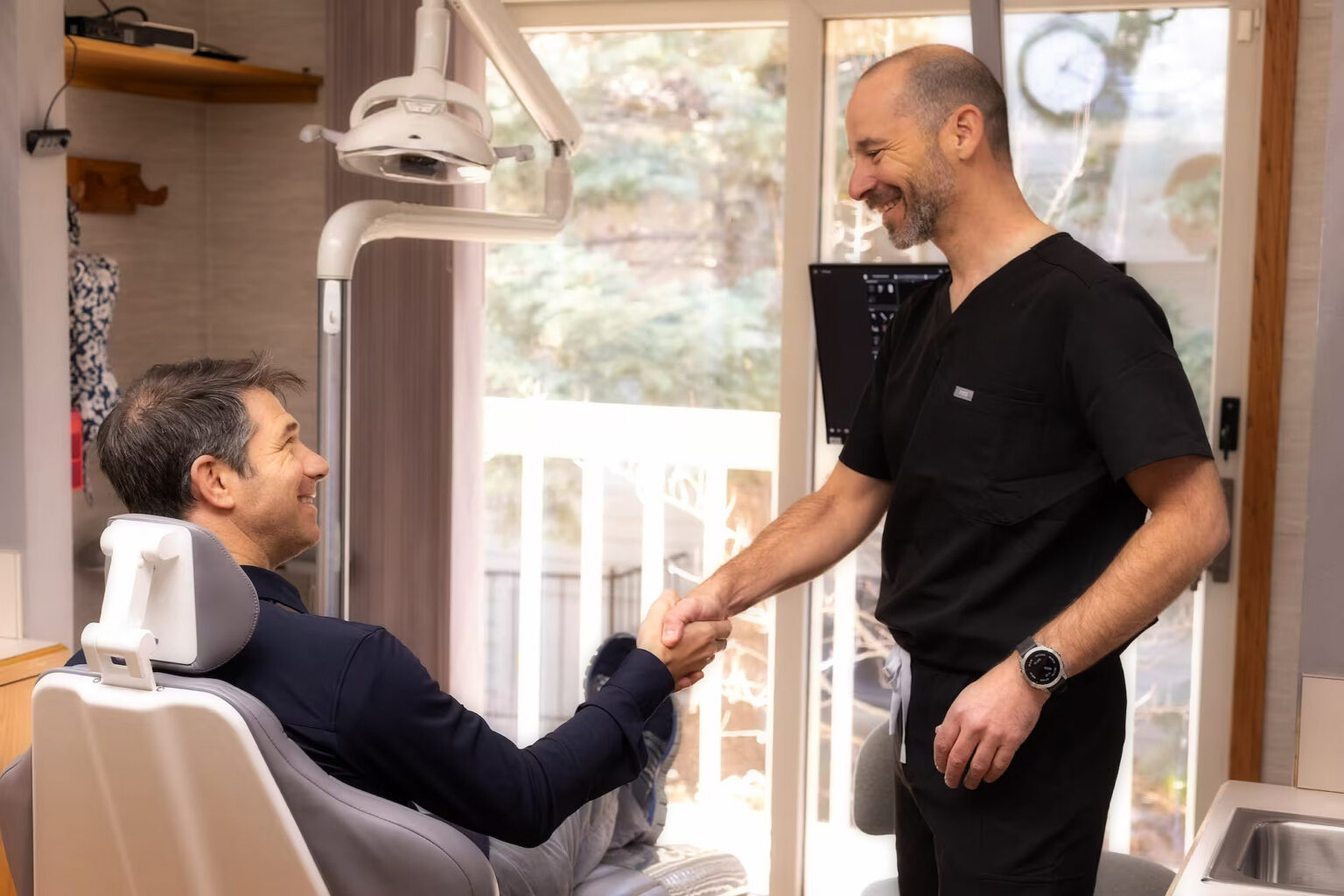
Most of the best dental work never looks dramatic from the outside. There is no before-and-after photo worth sharing, no dramatic repair, no visible transformation. A patient comes in, gets examined, has a cleaning, hears that a small area should be watched, gets a fluoride treatment, tightens up home care, and leaves. Six months later, the same thing happens again. A year later, the teeth are still intact, the gums are healthier, and no one has needed a crown, root canal, or extraction.
That quiet outcome is the real success story in dentistry.
Preventive care tends to be undervalued because it does not feel urgent. People understand pain. They understand a chipped tooth before a wedding, or a swollen gum that keeps them up at night. They are less likely to appreciate the appointment that catches a failing filling before it fractures a cusp, or the routine X-rays that reveal decay between teeth long before it reaches the nerve. Yet from the perspective of a General Dentist, prevention is where some of the most important work happens. It protects tooth structure, lowers long-term cost, reduces interruptions to daily life, and often spares patients from procedures they would much rather avoid.
Dentistry has always involved repair, but the profession is at its best when repair becomes less necessary.
Why prevention matters more than most patients think
Teeth are remarkably strong, but they are not self-repairing in the same way skin or bone can be. Once enamel is lost, it does not regenerate. Once a cavity progresses far enough into dentin, that tooth will need intervention. Once gum disease destroys supporting bone, some of that damage can be managed, but not simply reversed as if it never happened.
That is the central fact preventive dentistry works around. Small problems stay small only when someone finds them and addresses the cause. Left alone, they usually become more invasive, more expensive, and harder to manage.
A very common example is a patient who feels fine and decides to delay checkups for a couple of years. When they finally return, they may still have no pain. On exam, however, there may be decay under an old filling, gingival inflammation with pockets beginning to deepen, a cracked molar from nighttime grinding, and a suspicious area under a crown visible only on radiographs. None of these issues likely began as emergencies. They became serious because they were allowed time.
From a practice standpoint, some of the costliest treatment plans are not the result of bad luck. They are the accumulated result of missed opportunities for prevention.
The difference between maintenance and rescue
Patients sometimes think of dentistry in two categories: cleanings when things are fine, treatment when things are wrong. Clinically, there is much more nuance than that. Preventive dentistry is not just "getting your teeth cleaned." It is a structured form of surveillance and early intervention.
A recall visit allows a General Dentist and hygiene team to evaluate several moving parts at once. They look for changes in soft tissue, signs of oral cancer risk, shifting bite forces, wear facets from clenching, recession patterns, plaque retention areas, failing restorations, gum measurements, and radiographic evidence of disease that cannot be seen in a mirror. These findings often shape care long before a patient would notice anything on their own.
There is also a difference between what feels clean and what is clinically healthy. A patient may brush thoroughly and still trap plaque around lower front teeth because of saliva mineral content. Another may floss irregularly but have low cavity risk due to diet and anatomy, while still showing early gum inflammation. A third may have excellent habits but severe wear because stress has them grinding through the night. Prevention is not generic. It is highly personal, and that is one reason routine professional evaluation matters.
Rescue dentistry has its place. Sometimes decay progresses quickly, a tooth cracks unexpectedly, or an old crown simply reaches the end of its life. But if most of someone’s dental care is reactive, they are usually paying more, enduring more chair time, and sacrificing more natural tooth structure over the years.
What a General Dentist is looking for before you feel symptoms
Pain is a poor early warning system in the mouth. Many dental conditions are advanced by the time they hurt. Cavities can grow between teeth without any sensitivity. Gum disease can progress quietly for years. Cracks can begin as faint lines and only become painful once a segment weakens enough to flex under chewing pressure.
At routine visits, a General Dentist is often looking for trends more than one-time events. Is a filling margin opening slightly compared with the last exam? Are recession areas stable, or deepening? Is there a new wear pattern on the canines that suggests grinding has worsened? Are pocket depths around a molar changing in a way that suggests food impaction or early periodontal involvement?
This type of pattern recognition is one of the least visible and most valuable parts of general practice. It depends on continuity, records, radiographs taken at sensible intervals, and repeated side-by-side evaluation over time. A single appointment can identify disease. A long-term preventive relationship can identify direction.
That distinction matters because direction predicts future treatment. If a dentist sees that a patient’s lower molars have recurring decay around old restorations every few years, the conversation shifts from fixing one cavity to managing a risk pattern. If enamel erosion appears to be accelerating, the issue may not just be brushing technique. It may involve reflux, acidic beverages, dry mouth, or a medication side effect. Preventive dentistry works best when the cause is identified early enough to change course.
The financial value is real, even when insurance obscures it
Dental insurance has trained many people to think in annual terms. They ask what their plan covers this year, whether they have met a deductible, and how many cleanings are included. Those are practical questions, but they can distort the bigger picture.
The economics of prevention are usually straightforward. A periodic exam, radiographs at appropriate intervals, and professional cleanings are far less costly than a sequence that starts with a filling, progresses to a crown, then a root canal, then replacement of that crown years later. If the tooth fractures beyond repair, the cost may expand further to extraction, grafting, and an implant or bridge. That sequence can unfold over a decade or more, often beginning with disease that could have been intercepted much earlier.
There is also the hidden cost of time. Restorative and surgical care often means multiple visits, local anesthesia, possible time away from work, dietary restrictions, and emotional stress. Preventive care is not free of inconvenience, but it is generally lighter, more predictable, and easier to absorb into normal life.
Patients sometimes hesitate over preventive recommendations because they do not have symptoms yet. That is understandable. It can feel strange to treat a small lesion, replace a leaking filling, or invest in a night guard when nothing currently hurts. But in practice, those are often the decisions that preserve both money and teeth.
Gum health is preventive dentistry, not a side issue
A lot of patients still think cavities are the main event in dentistry and gums are secondary. In reality, periodontal health can determine whether teeth remain stable at all. A person can have relatively few cavities and still lose teeth because of untreated gum disease.
Gingivitis is common and often reversible with improved hygiene and professional care. Periodontitis is more serious. Once bone support around teeth begins to diminish, management becomes more complex and more important. Early signs may include bleeding while brushing, persistent bad breath, puffiness at the gumline, or subtle tooth movement, but many patients notice little until the disease is established.
One of the practical challenges is that gum disease rarely announces itself with the kind of pain that sends people straight to the office. It can coexist with a busy life for years. That is why preventive visits matter so much. aspenwooddental.com General Dentist Probing depths, radiographs, bleeding patterns, tartar accumulation, and mobility findings tell a clearer story than symptoms alone.
A patient who receives periodontal maintenance and tailored home care advice may avoid the far greater burden of advanced periodontal treatment, worsening mobility, or eventual tooth loss. More importantly, they retain comfort and function. Chewing should not feel tentative. Teeth should not seem fragile in daily use. Good preventive care protects that sense of confidence.
Prevention is not the same for every age
One reason cookie-cutter advice falls short is that preventive priorities change over time. Children, young adults, middle-aged patients, and older adults often face different risks.
In children and teens, prevention often focuses on eruption patterns, sealants, hygiene habits, fluoride exposure, and diet. Deep grooves on newly erupted molars can trap food and bacteria, making sealants especially helpful for some patients. Orthodontic appliances may increase plaque retention and raise the importance of meticulous cleaning.
In young adults, the conversation may shift toward consistency. This is the age when many people lose the structure their parents once enforced. Missed recall appointments, frequent snacking, sports drinks, smoking or vaping, and stress-related grinding begin to show up clinically. Wisdom teeth may also complicate hygiene or crowding in certain cases.
In middle age, existing dental work starts to matter more. Fillings age. Crowns wear. Gum recession may expose root surfaces that decay more easily than enamel. Busy schedules often lead patients to postpone small concerns, and that delay can be costly. Preventive care here is often about preserving earlier investments and managing wear before function is affected.
For older adults, dry mouth becomes a major issue, often related to medications or medical conditions. Root decay risk increases, dexterity may decline, and maintaining restorations over decades requires careful planning. At this stage, a General Dentist often spends more time balancing ideal treatment with what is realistic, comfortable, and sustainable.
The principles remain constant, but the application changes. Good prevention is adaptive.
The habits that truly move the needle
Patients often assume prevention requires expensive products or elaborate routines. Usually it does not. The fundamentals are familiar, but the details matter. Technique, frequency, and consistency beat novelty almost every time.
The most useful preventive habits tend to be these:
- Brush thoroughly twice a day with fluoride toothpaste, paying attention to the gumline rather than just the visible front surfaces.
- Clean between the teeth daily with floss, picks, or interdental brushes suited to the spaces you actually have.
- Limit frequent sugar exposure, especially sipping or snacking over long stretches instead of having sweets with meals.
- Keep regular dental visits so early changes are found before they become larger restorations.
- Use protective aids when indicated, such as night guards, prescription fluoride, or sealants.
Even this simple list deserves nuance. A patient with recession and root sensitivity may need a softer technique rather than more force. Someone with tight contacts may do better with floss than picks, while a person with larger spaces from gum recession may get more benefit from interdental brushes. A patient with severe dry mouth may need custom fluoride guidance and salivary substitutes. Prevention is most effective when habits are adjusted to anatomy and risk, not copied from a generic brochure.
Where prevention often fails in real life
The barriers are usually ordinary rather than dramatic. People get busy. They move, change jobs, lose insurance, have children, care for parents, or simply put off appointments because nothing feels wrong. Some patients avoid the dentist because of a prior bad experience. Others assume that if they are not prone to cavities, they do not need regular care. Many brush faithfully but underestimate how much damage can come from nighttime grinding, dry mouth, acidic drinks, or periodontal disease.
A familiar scenario in practice involves the patient who says, "I only came because a filling fell out, but I have not had any real issues." After the exam, it becomes clear that the lost filling is only the event that made years of gradual deterioration visible. There may be several failing restorations, generalized bleeding, a cracked molar, and recurrent decay beneath crowns that looked acceptable to the patient in the mirror. This is not unusual. The mouth can compensate for a long time.
There is also a psychological trap in temporary relief. If sensitivity fades, people assume the problem resolved. If bleeding improves for a week, they think the gums are fine. If a chipped tooth is not hurting, it drops down the priority list. Preventive dentistry asks patients to act before urgency forces the decision. That is not always easy, but it is usually the better path.
The role of technology, used with judgment
Modern dental tools have improved preventive care substantially, but technology only adds value when it supports sound clinical judgment. Digital radiographs can help detect interproximal decay earlier and with lower radiation than older systems. Intraoral cameras can show patients what the dentist sees, which often makes preventive recommendations easier to understand. Caries risk assessment, periodontal charting, and improved restorative materials all support earlier, more conservative care.
Still, technology is not a substitute for a thoughtful exam. Not every stain is decay. Not every groove needs intervention. Not every radiographic shadow justifies immediate drilling. A skilled General Dentist weighs the whole picture, including risk factors, progression, accessibility for cleaning, patient history, and the likelihood that a lesion can be monitored safely versus treated now.
That measured approach is important because prevention should not slide into overtreatment. The aim is to preserve natural tooth structure whenever possible. Sometimes the best preventive decision is active monitoring paired with changes in hygiene, diet, fluoride use, or recall frequency. Other times early intervention is clearly the wiser choice. Knowing the difference is part of the value of experienced general practice.
Prevention also protects dental work you already have
By adulthood, many patients are not trying to preserve untouched teeth. They are trying to preserve a mix of natural tooth structure and previous dentistry. Fillings, crowns, bridges, implants, and bonded repairs all have life spans. Good preventive care extends them.
A crown does not make the underlying tooth invincible. Decay can still develop at the margin. An implant cannot get a cavity, but the surrounding tissues can become inflamed or infected if hygiene slips. A filling may function for years, then begin to leak or fracture because of bite stress. Preventive monitoring catches these transitions early, when intervention may be simpler and less costly.
This matters especially for patients who have invested heavily in restorative work. Once someone has several crowns or a history of root canals, maintenance becomes even more important, not less. The goal is no longer just to avoid the first major procedure. It is to protect everything that has already been done.
What patients should expect from preventive care
A good preventive relationship should feel collaborative, not transactional. Patients should know their risk factors, not just their treatment codes. They should understand whether they are cavity-prone, grinding heavily, showing gum inflammation, dealing with dry mouth, or wearing down restorations faster than average. They should leave with specific guidance that makes sense for their situation.
At a practical level, strong preventive care usually includes the following elements:
- Regular exams and cleanings scheduled according to risk rather than a one-size-fits-all calendar.
- Radiographs taken at appropriate intervals to monitor areas that cannot be evaluated visually.
- Periodontal assessment, including gum measurements when indicated, to track early changes over time.
- Clear home care recommendations tailored to dexterity, anatomy, restorations, and disease risk.
- Honest discussions about when to watch, when to intervene, and what the likely consequences of delay may be.
That last point is worth emphasizing. Preventive dentistry is not just about doing more. It is about making sound decisions early, with full awareness of the likely trajectory. Patients generally do well when they understand not only what is being recommended, but why now is better than later.
The long view
From the chairside perspective, the most satisfying cases are often the least dramatic. A patient who used to need frequent fillings comes in year after year with stable radiographs because diet changed and fluoride use improved. A heavy grinder who was wearing through enamel stops progressing after using a night guard consistently. A patient with early periodontal inflammation returns with healthier gums because they learned how to clean the areas they had been missing. These outcomes are not flashy, but they are meaningful.
They also compound. Preserving one molar today may help preserve the bite relationship around it for years. Catching recurrent decay under a crown before it reaches the nerve may save a patient from a root canal and future fracture risk. Managing dry mouth early may prevent a cascade of root caries that becomes difficult to control later. Preventive care works quietly, but its effects accumulate.
That is the real value a General Dentist sees over time. Prevention protects more than teeth. It protects options. It keeps treatment simpler, preserves natural structure longer, reduces avoidable expense, and gives patients a better chance of keeping their own teeth comfortable and functional for decades. For all the skill involved in repairing damage, it is far better when less damage needs repairing in the first place.
Aspenwood Dental Associates and Colorado Dental Implant Center
2900 S Peoria St Ste C, Aurora, CO 80014, United States
+1 303-731-4037
FAQ About General Dentist
How long do teeth fillings last in Aurora, CO?
Fillings can last for years, but they are not lifetime restorations. Their durability depends on the material, the size and location of the filling, chewing forces, and oral hygiene. A general dentist can examine a filling for wear, damage, or new decay and explain whether monitoring, repair, or replacement is appropriate. Age alone does not establish that a filling needs replacement.
How Can I Reduce Dental Anxiety?
Tell the dental team about your concerns when booking and again at your visit. Ask for an explanation of each step, agree on a signal for breaks, and consider slow breathing or headphones if the practice permits them. Discuss pain control and any sedation options with the dentist; suitability depends on your health, medicines, and planned treatment.
When should your child first see a dentist in Aurora?
Arrange the first dental visit within six months after the first tooth appears and no later than the first birthday. Early visits allow the dentist to assess development and discuss brushing, fluoride, feeding habits, and cavity prevention. Ask the practice whether it sees infants and how it handles referrals when a child needs specialist care.