Why Seeing a General Dentist Regularly Is a Smart Choice

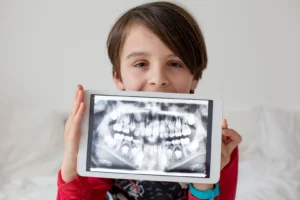

Most people do not wake up excited for a dental appointment. They book around work, school pickups, travel, and everything else that feels more urgent. Yet in practice, some of the most expensive, painful, and disruptive dental problems begin quietly, with no dramatic warning at all. That is the strongest argument for seeing a General Dentist regularly. It is not about checking a box or following a rule for the sake of it. It is about catching small issues while they are still small, protecting your comfort, and avoiding the kind of treatment that becomes complicated only because it was delayed.
A good General Dentist does far more than clean teeth and look for cavities. They track changes in your mouth over time, notice patterns you would never see in the mirror, and connect oral health to the realities of daily life. Grinding, stress, reflux, dry mouth, medication side effects, poor sleep, tobacco use, diet, pregnancy, aging, diabetes, and even a new exercise routine built around sports drinks can all leave visible clues. Dentistry is not just about teeth in isolation. It is about how the mouth responds to years of habits, biology, and wear.
For patients, regular dental visits often feel uneventful, and that is usually a good sign. Routine care is supposed to be calm. The value lies in preventing the dramatic appointment, the one that starts with a throbbing molar on a Friday night or a front tooth that chips the day before a wedding, interview, or family photo session.
The problems that grow in silence
One reason regular visits matter so much is that dental disease often progresses with very little pain in the early stages. A cavity can begin as a small area of demineralization, then deepen gradually until it reaches the inner part of the tooth. Gum disease can start with mild bleeding and puffiness, then slowly erode supporting bone over years. A cracked tooth may only be sensitive when chewing one specific way, until one day it splits further and becomes impossible to ignore.
Patients often assume they would know if something serious were developing. That assumption causes trouble. Teeth and gums do not always send clear signals early on. By the time pain appears, treatment may already be more involved. A small filling is one thing. A root canal, crown, or extraction is another. The difference can be measured in cost, time, and recovery, but also in how much natural tooth structure can still be preserved.
This is where continuity matters. A General Dentist who has seen you consistently is not looking at a random snapshot. They are comparing this year to last year. They remember that a filling margin looked stable before but now appears worn. They notice that gum recession has advanced on the side where you brush too aggressively. They can tell whether a watch area has remained unchanged or has crossed the line into treatment territory. That kind of judgment is hard to replace with occasional urgent visits.
Prevention is cheaper, but that is only part of the story
People often frame preventive dentistry as a way to save money, and that is true in many cases. Two routine visits a year, plus recommended X-rays at appropriate intervals, usually cost far less than emergency treatment. But the financial argument, while important, is not the whole picture.
The larger benefit is preserving options. A tooth with a tiny cavity might only need a conservative filling. Wait long enough, and the same tooth may need a crown because too much structure has been lost. Wait longer, and the nerve may become inflamed or infected, leading to a root canal or extraction. Once a tooth is removed, replacement decisions begin, and none of them are as simple as keeping your natural tooth healthy in the first place.
There is also the cost that never shows up neatly on a treatment estimate. Time off work. Difficulty eating. Interrupted sleep. The stress of wondering whether pain will return. Parents know this especially well when a child develops tooth pain in the middle of a busy week. Adults feel it too, especially if they travel, manage teams, speak publicly, or simply General Dentist cannot afford to be sidelined by a preventable problem.
A routine dental visit may take under an hour. An avoidable dental emergency can consume days.
What a General Dentist is really monitoring
When people think of a dental checkup, they often picture a quick search for cavities. In reality, a thorough visit covers more ground than many patients realize. Your General Dentist is assessing the health of teeth, gums, bite, restorations, soft tissues, jaw function, and overall risk factors. That broader lens is one reason regular care pays off.
Here are some of the things being evaluated during routine visits:
- Early decay, weakened enamel, and failing fillings
- Gum inflammation, gum recession, and signs of periodontal disease
- Wear from grinding, clenching, or acidic erosion
- Cracks, bite changes, and jaw joint symptoms
- Soft tissue changes that may need monitoring or further evaluation
None of these categories exists in isolation. A person with dry mouth from medication may get cavities along the gumline faster than expected. Someone under chronic stress may start clenching during sleep and develop flattened teeth, headaches, or a cracked cusp. A patient trying to eat more fruit and drink lemon water for wellness reasons may accidentally increase acid exposure enough to soften enamel over time. A General Dentist is trained to see those patterns and adapt recommendations accordingly.
That tailored judgment matters more than generic advice. “Brush and floss better” is not especially useful on its own. Specific guidance is. Use a softer brush. Switch to a lower abrasion toothpaste. Wait thirty minutes after acidic drinks before brushing. Wear a night guard because the wear facets are getting deeper. Use fluoride more strategically because new decay is appearing around old fillings. These are practical course corrections, and they often keep people out of bigger trouble.
The link between gum health and everything else
Many adults are surprised to learn that gum disease can advance with little pain. Bleeding when brushing is often dismissed as normal, even though healthy gums typically do not bleed with routine care. Mild tenderness, bad breath, or a little gum recession may not seem urgent, so treatment gets postponed. The problem is that gum disease does not only affect appearance. It can gradually compromise the support around the teeth.
Regular cleanings and exams help control the bacterial buildup that drives inflammation. They also create opportunities to measure gum pocket depths, track bleeding, and identify whether someone is maintaining a stable condition or slipping into more active disease. If deeper cleaning or periodontal treatment is needed, catching it early makes management more straightforward.
This matters because tooth loss in adults is often tied more closely to gum disease than to cavities alone. A person can have teeth with relatively little decay and still lose them because the supporting bone and gums have deteriorated. It is one of the clearest examples of why “nothing hurts” does not always mean “everything is fine.”
Small habits create big dental outcomes
Over the years, one thing becomes obvious in dental care: the mouth keeps score. Not in a dramatic way, but steadily. The person who sips sweetened coffee all morning, every morning, may not notice a problem until several areas begin decaying at once. The person who chews ice, bites pens, or tears open packaging with their teeth may eventually crack an otherwise healthy tooth. The athlete who relies on sports drinks during long training sessions may be bathing enamel in acid more often than they realize.
The good news is that regular visits create a practical feedback loop. Patients often make changes more successfully when they hear specific, timely advice connected to what is happening in their own mouth. It is easier to cut back on nighttime snacking when your dentist shows you early decay between the back teeth. It is easier to take grinding seriously when photos reveal fresh wear lines and tiny fractures.
This is where experienced dental care feels less like a lecture and more like coaching. The goal is not perfection. It is risk reduction. Most people do not need a flawless routine. They need a realistic one they can maintain, and a professional who helps adjust it as life changes.
Routine care can reduce dental anxiety, not increase it
People who avoid the dentist because of fear often imagine that staying away protects them from stress. In the short term, that can feel true. Over time, though, avoidance usually makes the anxiety worse. Problems grow. Uncertainty grows with them. By the time the patient finally books, the visit carries more emotional weight because there is more at stake.
Regular appointments can break that cycle. Familiar staff, predictable checkups, and small interventions are easier to tolerate than pain-driven emergency care. Many anxious patients do far better once they establish a steady rhythm with a General Dentist who communicates clearly and does not rush them.
A patient who comes in every six months may need a brief filling after a cavity is caught early. A patient who waits six years may need multiple longer visits, more anesthesia, and more difficult decisions. The procedures are only part of the story. The emotional load is different too. Uncertainty is exhausting. Preventive care tends to reduce uncertainty.
For children, this effect can be especially important. Early, low-stress dental visits help build a normal relationship with oral care. A child who only sees the dentist when something hurts is more likely to associate dentistry with fear and discomfort. That pattern can last well into adulthood.
Your mouth changes as your life changes
One of the most overlooked reasons to keep regular dental appointments is that oral health is not static. The routine that worked at age twenty-five may not be enough at forty-five. Hormonal shifts, new General Dentist medications, orthodontic relapse, crowns and fillings aging over time, recession, and changing saliva flow all influence risk.
Pregnancy is a good example. Hormonal changes can make gums more reactive, which means some patients notice more bleeding or swelling even if their brushing habits have not changed much. People starting medications for blood pressure, allergies, depression, or autoimmune conditions may develop dry mouth, and dry mouth raises cavity risk significantly because saliva plays a major protective role.
Older adults often face a different set of issues. Existing dental work has aged. Root surfaces may become more exposed as gums recede. Hand dexterity may decline, making home care harder. Bite changes can develop as teeth shift or wear. A General Dentist who sees these transitions early can suggest practical solutions before a manageable issue turns into a major one.
What regular visits tend to include
While no two dental offices operate exactly the same way, a consistent pattern usually gives patients the best preventive value. Most routine visits involve more than a quick glance and polish. They are a chance to update medical history, review symptoms, assess changes, and fine-tune home care.
A well-run appointment often includes:
- A review of medical conditions, medications, and any recent symptoms
- An exam of teeth, gums, bite, and soft tissues
- X-rays when clinically appropriate, not simply by habit
- Professional cleaning based on your gum health and buildup
- A discussion of findings, priorities, and next steps
That last point matters. Patients deserve to understand not only what is being recommended, but why, how soon, and what happens if they wait. A trustworthy General Dentist does not pressure every patient into immediate treatment for every minor imperfection. Good care involves judgment. Some areas should be watched. Some should be treated soon. Some are elective. The ability to tell the difference is one of the marks of experienced dentistry.
A regular dentist sees the whole picture
There is a practical advantage to having an ongoing relationship with one dental office. Records accumulate. X-rays can be compared. Photos document subtle changes. The team learns how you respond to anesthesia, whether your teeth stain easily, whether you tend to build tartar quickly, and whether that occasional cold sensitivity on the lower left has been stable or is getting worse.
This continuity often leads to better decision-making. If a tiny crack has looked the same for years, watchful monitoring may make sense. If it has recently deepened and symptoms have increased, the treatment conversation changes. If gum measurements were stable and then begin slipping in a specific area, the office can intervene before damage becomes extensive.
This is also why emergency-only dentistry has limitations. A clinician seeing you once for pain can treat the immediate problem, but they may not have the benefit of trend data. They do not know how long a restoration has been aging, whether a suspicious area is new, or whether a bite issue has been developing gradually. Dentistry works best when it is both responsive and longitudinal.
The smart choice is often the less dramatic one
Many health decisions become harder because the reward is delayed. You do not always feel immediate results from preventive care, and that makes it easy to postpone. But with dentistry, the return on regular attention is substantial. Fewer surprises. More conservative treatment. Better odds of keeping your natural teeth strong and functional over time. Less disruption to eating, sleeping, speaking, and working.
Seeing a General Dentist regularly is a smart choice because it respects how dental problems actually develop. They rarely arrive all at once. More often, they build through small changes that are easy to miss at home and much easier to treat early. Routine care creates chances to catch those changes, respond with precision, and keep everyday problems from becoming complicated ones.
For some patients, that means a straightforward cleaning and reassurance that everything looks stable. For others, it means finding the first signs of gum disease, replacing a failing filling before the tooth fractures, or spotting wear from nighttime clenching before symptoms escalate. None of those wins feels dramatic in the moment. That is exactly the point.
Good dental care is often quiet, steady, and preventive. It protects your time, your comfort, and your future options. That is why regular visits are not an extra task to tolerate when convenient. They are one of the simplest, most practical investments you can make in your health.
Aspenwood Dental Associates and Colorado Dental Implant Center
2900 S Peoria St Ste C, Aurora, CO 80014, United States
+1 303-731-4037
FAQ About General Dentist
How long do teeth fillings last in Aurora, CO?
Fillings can last for years, but they are not lifetime restorations. Their durability depends on the material, the size and location of the filling, chewing forces, and oral hygiene. A general dentist can examine a filling for wear, damage, or new decay and explain whether monitoring, repair, or replacement is appropriate. Age alone does not establish that a filling needs replacement.
How Can I Reduce Dental Anxiety?
Tell the dental team about your concerns when booking and again at your visit. Ask for an explanation of each step, agree on a signal for breaks, and consider slow breathing or headphones if the practice permits them. Discuss pain control and any sedation options with the dentist; suitability depends on your health, medicines, and planned treatment.
When should your child first see a dentist in Aurora?
Arrange the first dental visit within six months after the first tooth appears and no later than the first birthday. Early visits allow the dentist to assess development and discuss brushing, fluoride, feeding habits, and cavity prevention. Ask the practice whether it sees infants and how it handles referrals when a child needs specialist care.